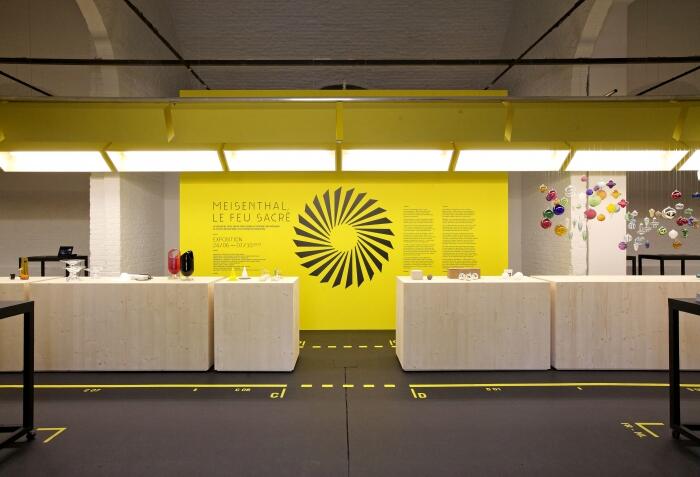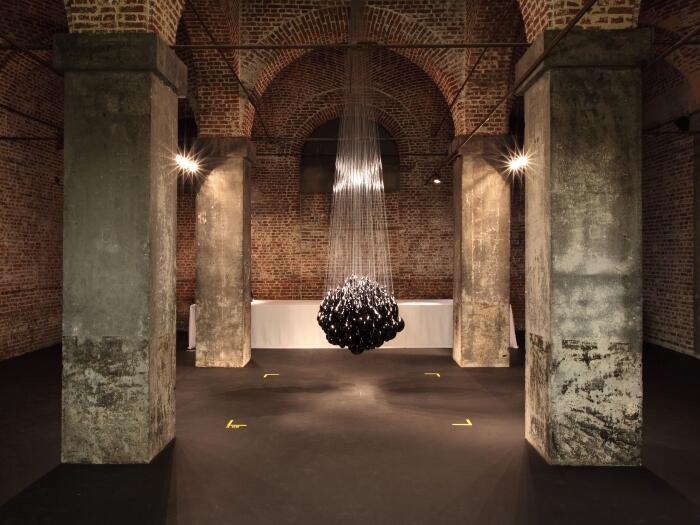
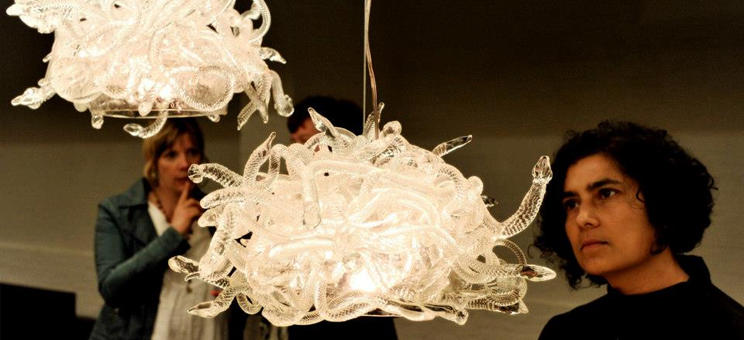
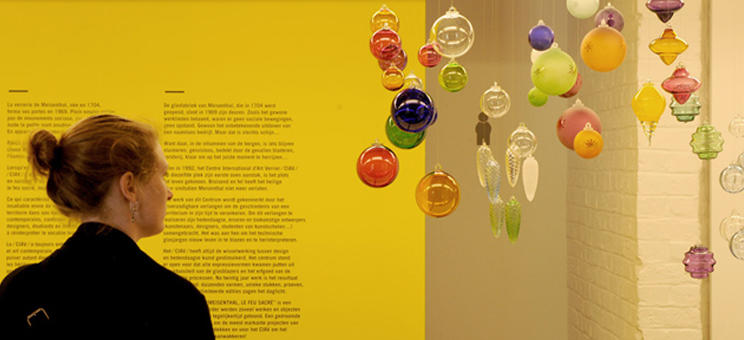
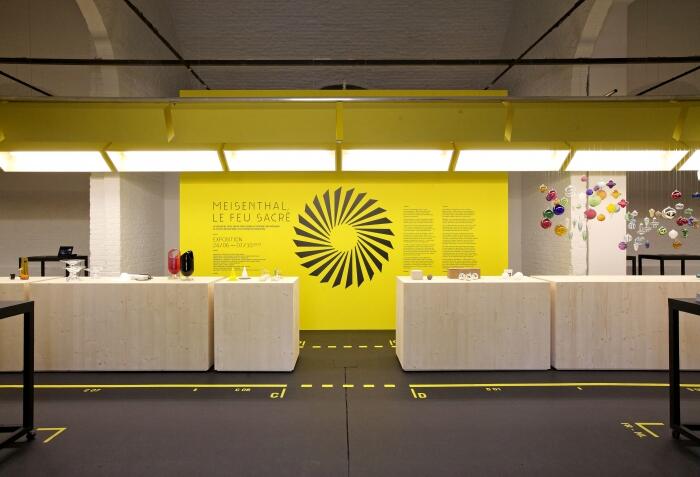
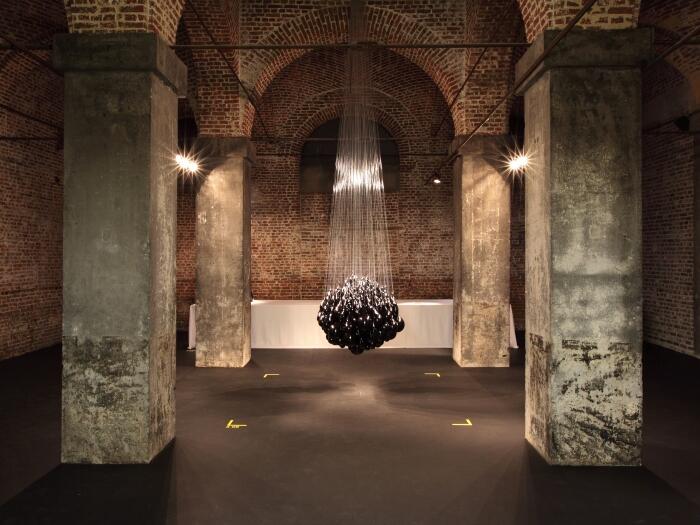
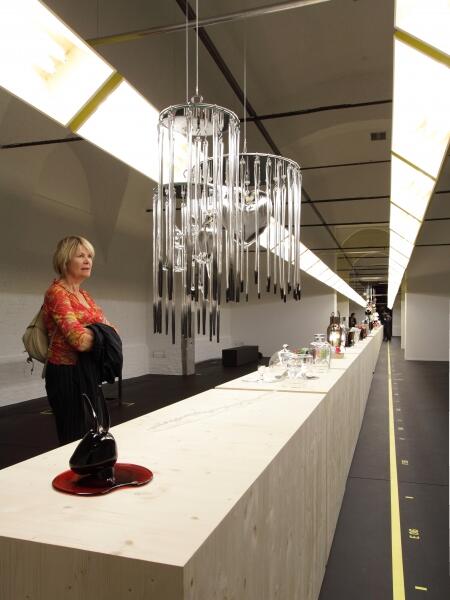
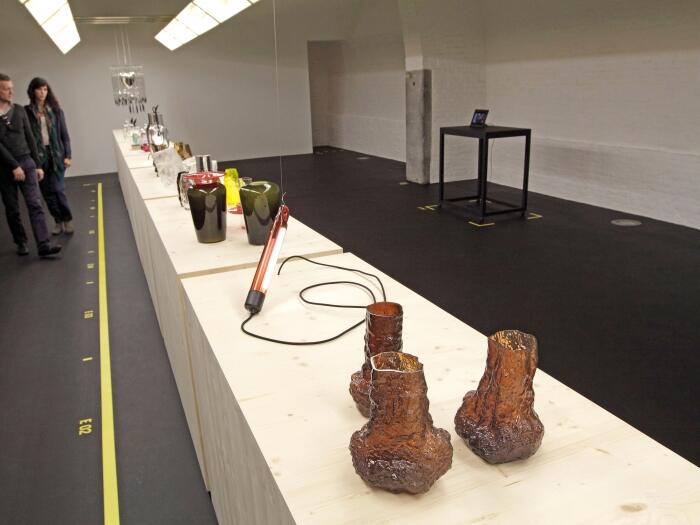
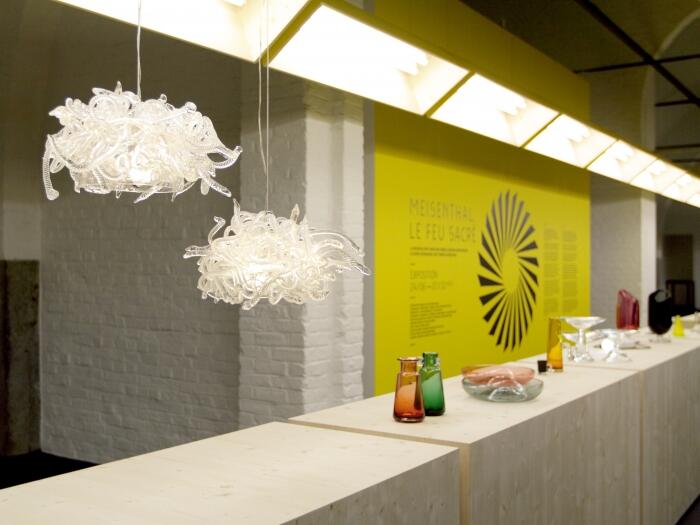
The Meisenthal glassworks was founded in 1704 in the Northern Vosges, in eastern France. It went on to produce tens of millions of pieces of utility glass and inexpensive glassware. Between 1867 and 1894, the glassworks served as a laboratory for Émile Gallé, a leading figure of the École de Nancy, who carried out unprecedented technical and artistic research there, conferring upon Meisenthal the status of the ‘cradle of Art Nouveau glass’.
The production facility weathered the world wars but, having failed to modernise its production facilities, came to a standstill at the dawn of the 1970s.
The factory, which once employed up to 650 people, closed its doors on 31 December 1969.
In 1983, the Meisenthal Glass Museum was established, bearing witness to the creative journey of this glassworks. In 1992, on the site of the former factory, the International Centre for Glass Art (CIAV) was founded and the first furnace was reignited.
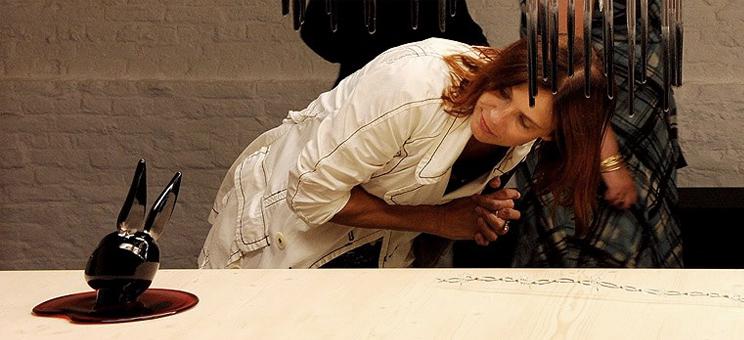
From its very inception, the CIAV has sought to bring traditional glassmaking back into the modern era. Thus, through various collaborative projects, contemporary creators—whether established or emerging (artists, designers, art students, etc.)—work alongside glassmakers, reinterpreting traditional skills and creating new narratives for objects.
The CIAV has always fostered the interplay between design and contemporary art, enabling their most diverse expressions to draw as much from the virtuosity of glassmakers as from the heritage of industrial processes.
After 20 years of such cross-pollination, the result is impressive: thousands of forms, unique pieces, experiments, prototypes, micro-series, and explorations… With every encounter, a new story is written.
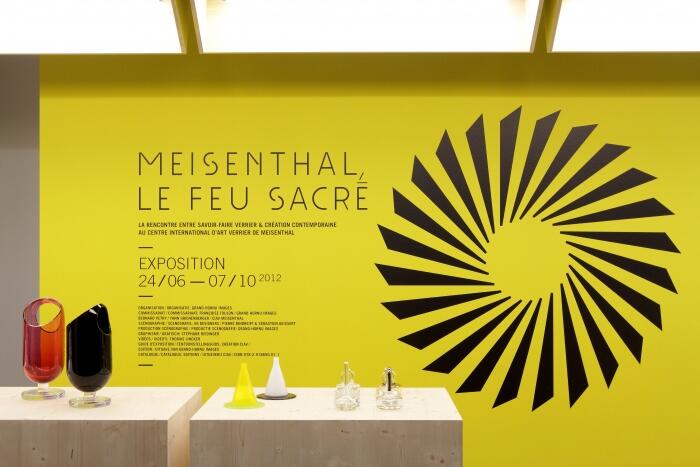
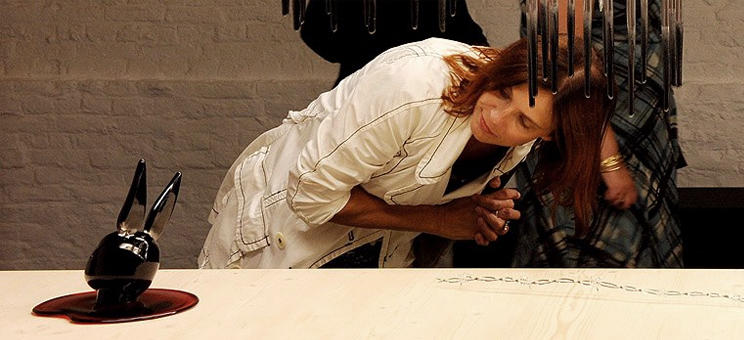
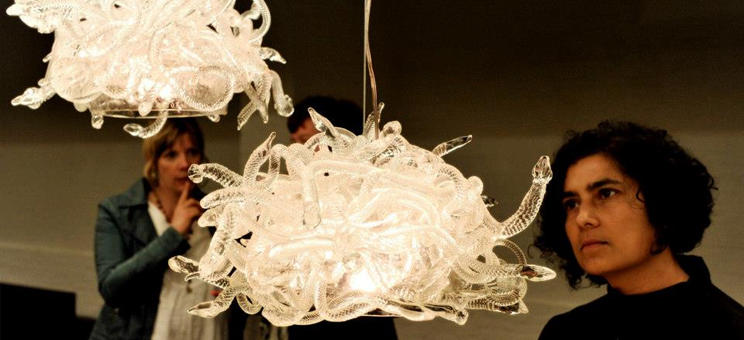
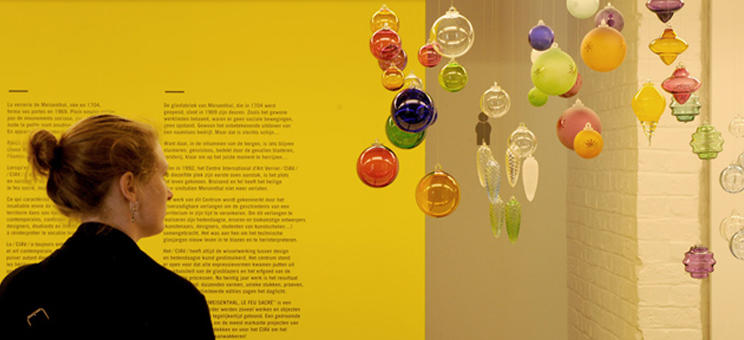
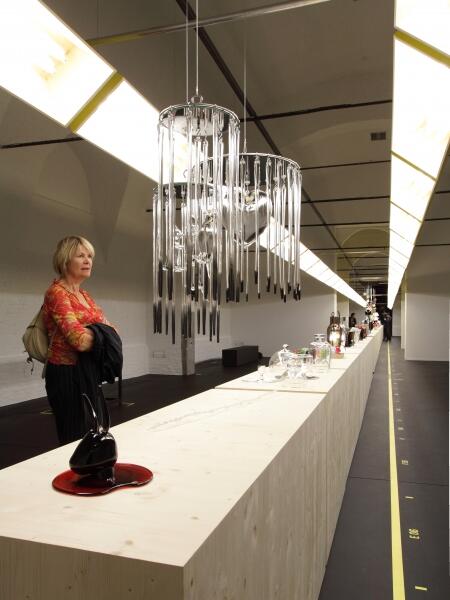
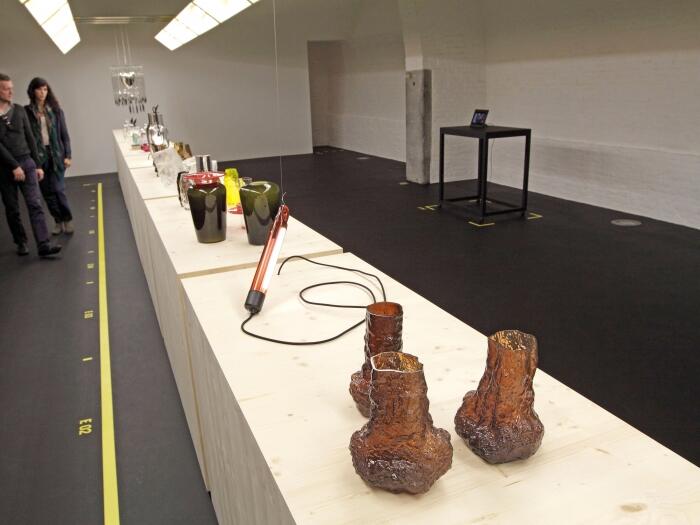
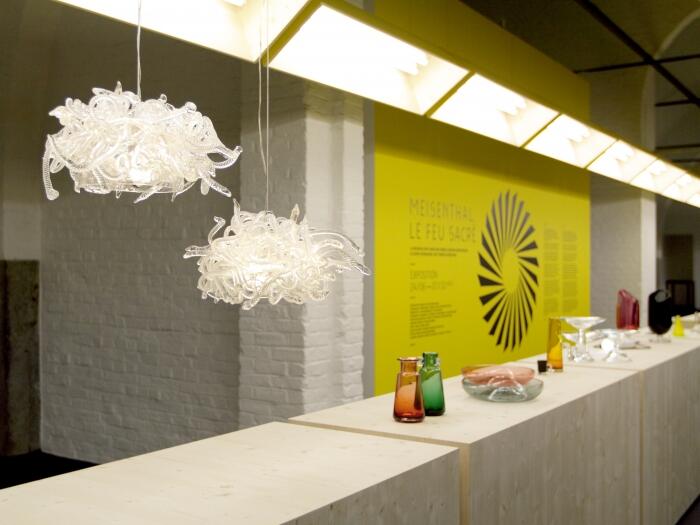
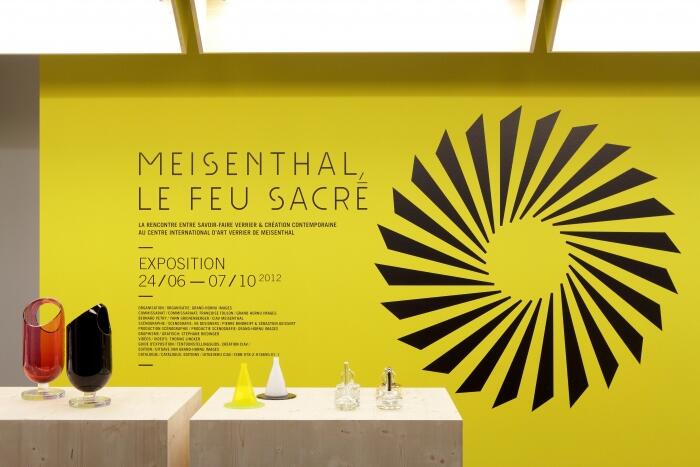
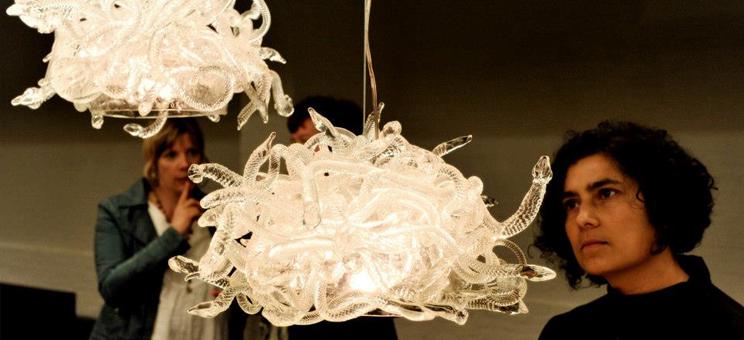
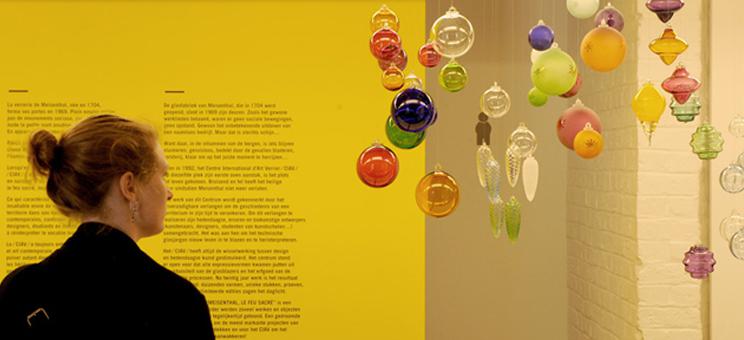
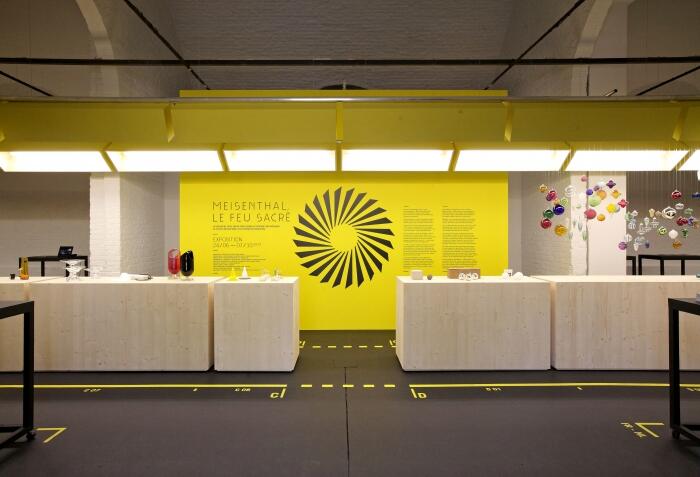
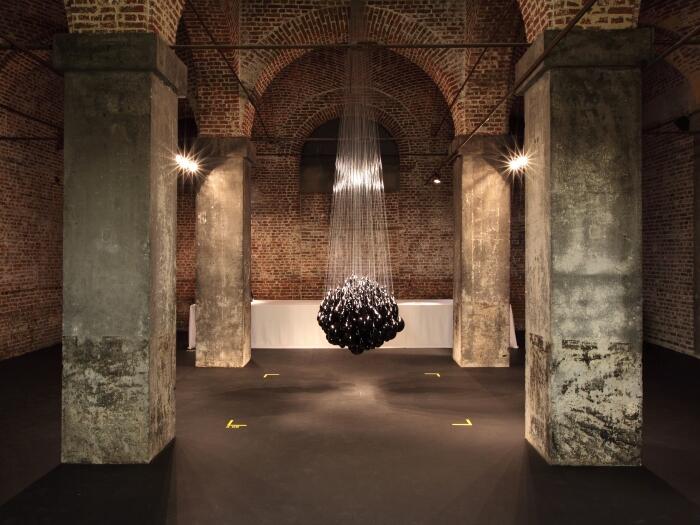
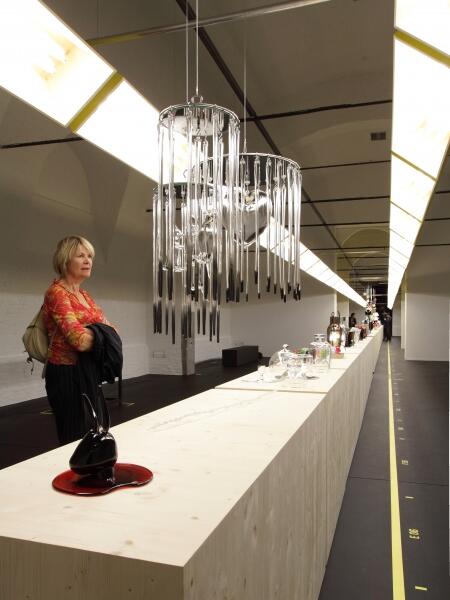
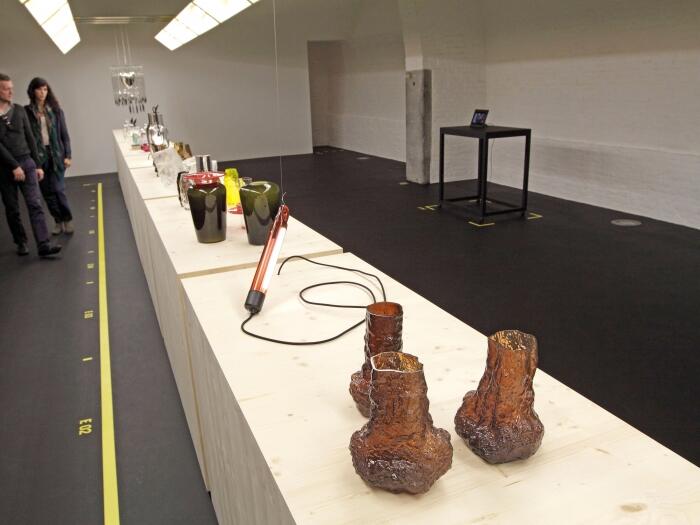
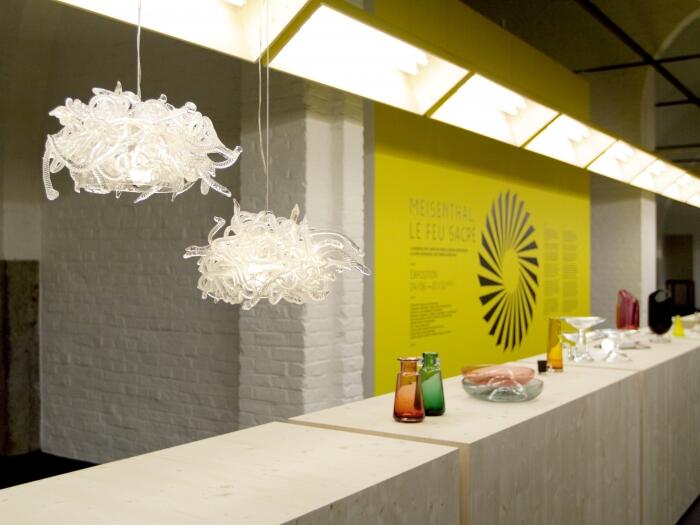
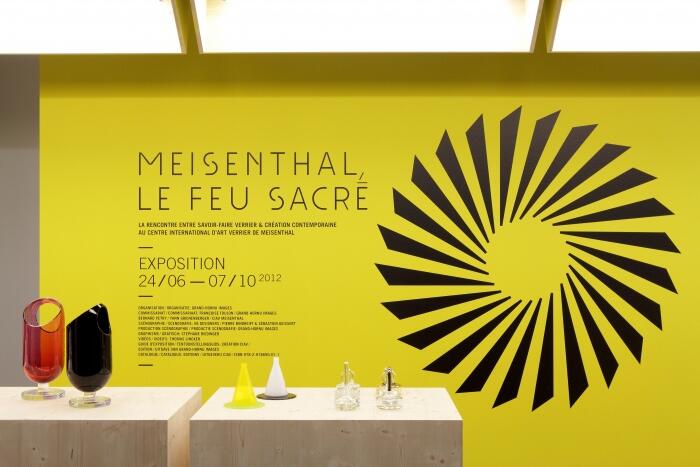
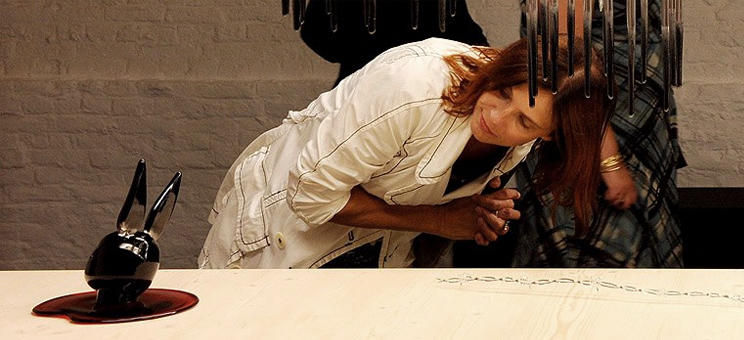
With this exhibition, the aim is to offer visitors, within a single space, objects designed by designers (mass-produced) and works (unique pieces, multiples or installations) conceived by visual artists.